
Back-to-School Germ Season When Your Immune System Already Misbehaves
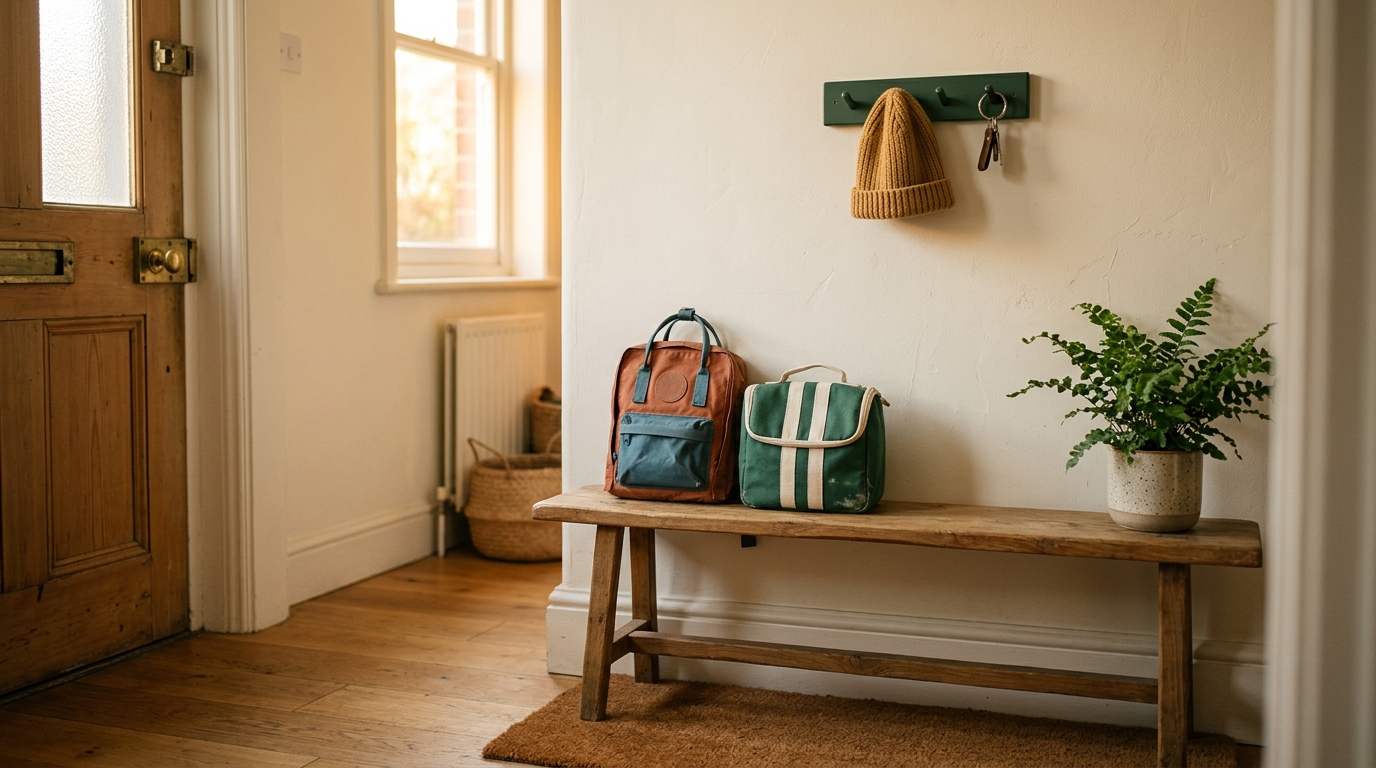
When the household heads back to school, the viruses ride home in a backpack — and a misbehaving immune system feels every one of them. You can't build a germ-proof bubble, but a few steady routines change how the whole season lands on you.
By Jennifer Henning, APRN, FNP-C, Nurse Practitioner at the Immune Confident Institute
Back-to-school season has a rhythm, and part of that rhythm is a classroom full of circulating viruses. Every year the colds, the stomach bugs, and the respiratory bugs make their rounds — and eventually many of them find their way home in a backpack.
For a lot of families, that means a week of sniffles. But when you are living with a misbehaving immune system — an autoimmune condition, immune dysregulation, or a body that is already working overtime — the germs that come home from school are not always a small thing. They can linger longer than they "should," stretch out your recovery, and sometimes tip you into a flare. So this season I want you holding two things at once: protecting the kids in your life and protecting you.
Here is what I remind individuals with misbehaving immune systems: you don't have to build a germ-proof bubble, and you don't have to do any of this perfectly. Small, steady routines are where the real protection lives. Start where you are.
Master the everyday hygiene basics
- The 20-second scrub. Good old soap and water is still the best tool we have — especially before eating, after the restroom, and the moment everyone walks in the door from school. Younger kids can sing the ABCs or "Happy Birthday" twice to hit the 20-second mark.
- Hand sanitizer backup. Clip a travel-sized sanitizer (at least 60% alcohol) to each backpack for the times soap and water aren't within reach.
- The "vampire sneeze." Cough or sneeze into the crook of the elbow or a tissue — never into open hands.
- Hands off the face. Eyes, nose, and mouth are the main doorways for respiratory viruses. This is a hard habit for kids, so make it a gentle, repeated reminder rather than a one-time rule.
For the immune-vulnerable adult in the house, hand hygiene is the single highest-leverage habit of all. Wash your own hands when you come in, before you eat, and any time someone at home is under the weather — you are the person these routines protect most.
Manage the shared gear
- "Sharing isn't caring" for personal items. Water bottles, lip balm, utensils, and earbuds all touch the mouth or face — keep those out of the sharing pile.
- Wipe down the high-touch stuff. Give backpacks, lunchboxes, phone screens, and reusable water bottles a periodic wipe (or wash), and try to keep backpacks off the counters and table where food is served. A backpack has been on a classroom floor all day.
Support your body's own defenses
Hygiene lowers what reaches you. The next layer is giving your immune system what it needs to do its job.
- Protect sleep — yours included. Rest is when the immune system does much of its repair work. Elementary-age kids do best with 9–12 hours a night and teens with 8–10 and shifting bedtimes 1–2 weeks before school starts makes the transition gentler. Your own sleep is immune infrastructure too — guard it like the medicine it is.
- Hydration and steady, colorful meals. Send a reusable water bottle, and lean toward a plate rich in fruits, vegetables, whole grains, and protein. A Mediterranean-style, high-fiber pattern gives the body the raw materials to stay resilient.
- Stay current on vaccines. Check in with your pediatrician about the kids' routine and seasonal shots, including the annual flu vaccine. And talk with your own care team about which vaccines are right for you — especially if you take immune-modulating or immunosuppressant medication, where some live vaccines aren't recommended and timing genuinely matters. Make it a conversation, not a guess.
Know when to loop in your care team
You know your baseline better than anyone. If a bug hangs on far longer than usual, a fever won't settle, or ordinary symptoms start sliding into a flare, that is worth a message to your team rather than waiting it out alone.
You will not dodge every germ this fall — nobody does, and catching a cold is not a failure of your routine. But steady habits stack the odds in your favor, and every small one you keep is one less thing for your immune system to fight. Pick one to start. Add another when it feels easy. Small changes add up.
Let's keep this conversation going
What's the one back-to-school health routine that actually sticks in your house? Share it in the comments — your practical hack might be exactly what another reader needs this week.
If you want support from a team that starts by listening:
- IC Indicator Quiz (free, 2 minutes): https://immuneconfidentinstitute.com/ic-indicator
- Free Lab Conversation Guide: https://immuneconfidentinstitute.com/ic-lab-guide
- New patient care with the ICI team: https://immuneconfidentinstitute.com/rise/
- More on the environment–inflammation connection, from my talk at the Virtual Sjögren's Summit: https://youtu.be/oxqK_9PLsVk
See more articles: